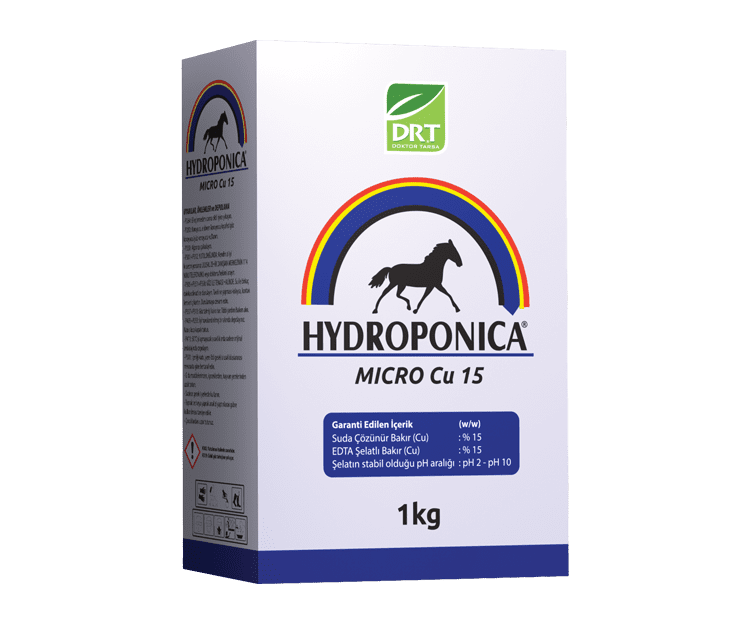



| CONTENT | % w/w |
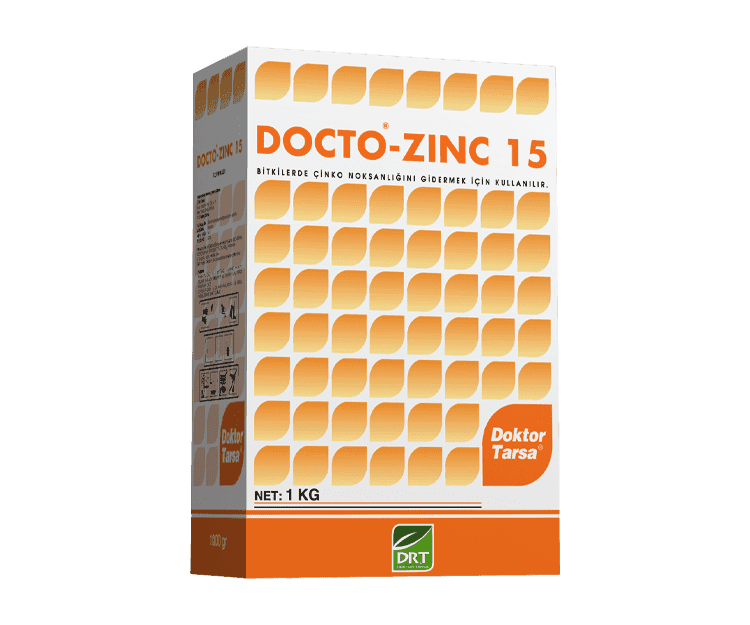
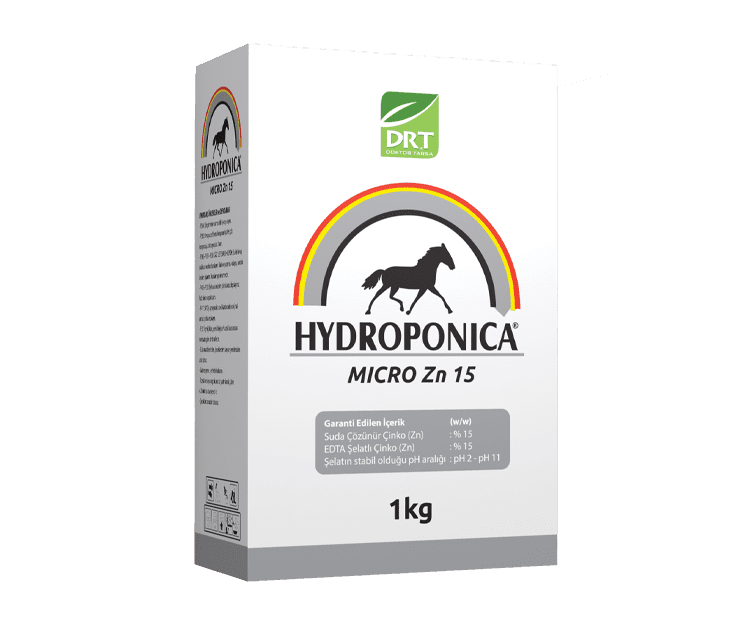
| Zinc (Zn) | 15% |
| Zinc (Zn) EDTA ChelatedWater Soluble | 15% |
EDTA Chelated Zinc (Zn) 15%
Formulated for Foliar and Soil Application
The Function of Zinc in Plants
Zinc plays a catalytic role in numerous enzyme systems within plants. It is essential for starch and nitrogen metabolism, and regulates the synthesis of tryptophan — an amino acid that stimulates the production of auxin, a crucial plant growth hormone. Adequate zinc is vital for healthy development and optimal productivity.
Zinc Availability in Soil
In many soils, zinc is bound to organic complexes, making it less accessible to plants. High pH levels significantly reduce the availability of zinc, and excessive phosphorus applications can further limit its uptake, causing deficiencies even when total zinc content is sufficient.
Crops Sensitive to Zinc Deficiency
Wheat, maize, cotton, rice, barley, oats, beans, green vegetables, citrus fruits, grapes, apples, and pears are particularly sensitive to zinc deficiency.
Symptoms of Zinc Deficiency
Typical symptoms include shortened internodes and interveinal chlorosis (yellowing between leaf veins). Small yellow spots may appear on leaves. In fruit trees, zinc deficiency can lead to the death of buds and shoots in the following season, early leaf drop, and poor growth. Cell expansion is disrupted, resulting in stunted plants and yield loss.
| Crop | Dosage | Application Timing |
|---|---|---|
| Wheat, Barley, Oats, Soybean, Peanut, Maize, Beans, Peas, Rice, Sorghum, Cotton, Sugar Beet | Soil: 200–400 g/da Foliar: 300 g/100 L Seed treatment: 200 g/100 kg |
Soil application: Apply just before planting, once a year until the deficiency is corrected. For preventive purposes, apply every 3 years. Foliar application: Spray as soon as sufficient leaf development is observed (early stage). Apply before deficiency symptoms appear. |
| Citrus | Foliar: 100 g/100 L | Apply to new spring shoots. Repeat if necessary. Do not apply during flowering or immediately before harvest. |
| Olive | Foliar: 150 g/100 L | Apply at bud break in spring. Repeat after 3–4 weeks. |
| Apple, Pear | Foliar: 100 g/100 L | Apply before flower buds burst. Repeat after harvest. |
| Apricot, Peach, Plum | Foliar: 100 g/100 L Soil: 0.5 – 1 kg/tree depending on tree size |
Apply after harvest. Do not exceed recommended dose to avoid leaf burn. In severe deficiency cases, apply regularly with a sprayer, injector, or watering can. |
| Walnut, Cherry | Foliar: 80 g/100 L | Apply after flowering. Repeat 2 times at 2–3 week intervals. |
| Vegetables (Tomato, Pepper, etc.) | Foliar: 100 g/100 L Soil: 200 g/da |
Can be applied at any necessary stage during the growing season. |
Vegetables, Ornamental Plants: 0.1 – 0.3 kg/da
Fruit Trees: 10 – 80 g/tree (depending on tree size)
For foliar applications of trace elements, it is recommended to apply during early morning or late afternoon hours when foliar absorption is at its peak.
Cookies are used to personalize content and ads, provide social media features, and analyze our traffic. By selecting “Accept All Cookies,” you agree to the use of all cookies.